

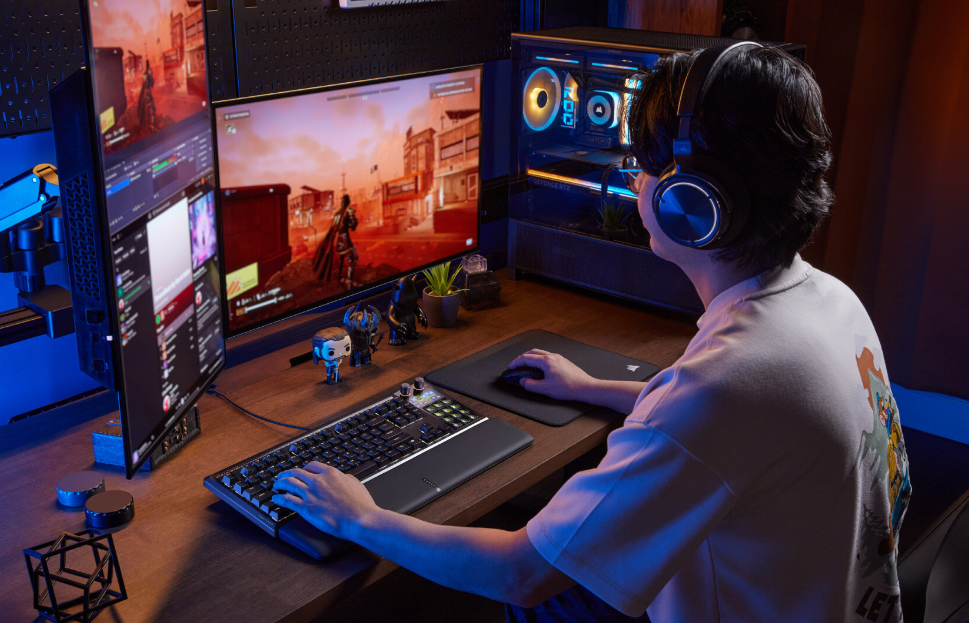
Online slot bet kecil has become one of the most influential forms of modern entertainment. Millions of people use internet-connected devices to play games, communicate with friends, compete against opponents, and explore virtual environments. The industry has expanded from simple multiplayer sessions into a broad digital ecosystem involving esports, streaming, content creation, mobile gaming, and online communities.
The popularity of online gaming continues to increase because technology has made games more accessible and interactive. Players can now participate in experiences that were difficult or impossible to create in earlier generations.
The Rise of Connected Gaming
The development of online gaming is closely connected to the growth of the internet. Early multiplayer games demonstrated that people could share digital spaces even when they were physically separated.
As internet connections became faster and more reliable, developers could create larger environments and support more players.
Modern games often operate as continuously evolving services, with regular updates, new content, seasonal events, and community activities.
Technology Behind Online Gaming
Modern online games rely on several technologies working together. Game servers manage connections between players, while networks transfer information about actions and events.
Powerful graphics processors allow devices to display detailed environments, characters, and effects.
Improved hardware and software have made it possible to create increasingly realistic and complex multiplayer experiences.
Why Online Games Attract Players
Online gaming combines entertainment with participation. Players are directly involved in deciding what happens.
They can develop strategies, overcome challenges, communicate with teammates, and compete against real people.
The unpredictability of human behavior also makes each session different, giving players a reason to return.
Competitive Gaming
Competition is a major part of online gaming culture. Players often participate in ranked matches where performance determines their position.
Improvement requires practice and patience. Players may study game mechanics, watch experienced competitors, and analyze their own mistakes.
For some people, competitive gaming is a casual hobby. For others, it can lead to professional esports opportunities.
Cooperation in Multiplayer Games
Online gaming also encourages cooperation. Many titles require teams to coordinate their abilities to complete objectives.
Players may have specialized responsibilities, meaning that individual performance can affect the entire group.
Effective communication and teamwork are therefore important skills in many multiplayer environments.
Different Gaming Genres
The online gaming industry provides numerous genres.
Action Games
Action games emphasize fast reactions, movement, and combat.
Role-Playing Games
Role-playing games allow users to develop characters, explore worlds, complete quests, and collect equipment.
Strategy Games
Strategy titles require careful planning and resource management.
Racing Games
Racing games allow users to compete on virtual tracks and improve their driving techniques.
Sports Games
Online sports games recreate popular sporting activities and provide competitive multiplayer modes.
Simulation Games
Simulation titles attempt to recreate real or fictional activities and often provide opportunities for online cooperation.
The Growth of Gaming Communities
Communities are an important part of online gaming. Players gather in forums, social networks, messaging groups, and other platforms.
They discuss strategies, share updates, create guides, and exchange opinions.
Some communities remain active for many years because players continue to find new ways to enjoy their favorite games.
Online Gaming as Social Entertainment
Gaming can help people stay connected. Friends can play together and communicate through voice or text regardless of their physical location.
Online communities also give people opportunities to meet others with similar interests.
For many players, the social experience is just as important as the game itself.
Esports and Professional Opportunities
The competitive gaming industry has developed into esports, where professional players compete in organized events.
Professional competitors often spend significant time practicing and studying strategies.
Esports has also created career opportunities for coaches, analysts, broadcasters, event organizers, journalists, and content creators.
The Influence of Streaming
Livestreaming has changed how audiences consume gaming content. Viewers can watch gameplay in real time and interact with creators through chat.
Streamers may specialize in competitive games, entertainment, tutorials, reviews, or gaming discussions.
The growth of streaming has helped turn individual players into online personalities with large communities.
Mobile Gaming Revolution
Smartphones have made online gaming more accessible than ever. Players can participate in multiplayer experiences without purchasing traditional gaming equipment.
Mobile games range from simple casual titles to complex competitive experiences.
The continued improvement of smartphone technology is allowing developers to create increasingly detailed games for portable devices.
Changing Business Models
Online games use several methods to generate revenue. Some require a purchase, while others rely on subscriptions, advertisements, or free-to-play systems.
Free-to-play games usually allow users to access the main experience without paying upfront.
Optional purchases can include cosmetic items, seasonal content, and additional features.
Potential Benefits of Gaming
Gaming can provide entertainment and social interaction. Certain titles require problem-solving, strategic thinking, memory, and fast decision-making.
Multiplayer games can also encourage communication and teamwork.
For many players, gaming is an enjoyable way to relax and spend time with friends.
Managing the Downsides
Excessive gaming can become problematic when it interferes with everyday responsibilities.
Players may spend less time sleeping, exercising, studying, working, or interacting with family and friends.
A balanced schedule can help ensure that gaming remains a positive part of daily life.
Protecting Online Accounts
Security is essential for online gamers. Accounts may contain personal details, payment information, and valuable digital items.
Using strong passwords and two-factor authentication can provide additional protection.
Players should also be cautious when receiving unexpected messages, links, or offers involving their accounts.
Artificial Intelligence in Gaming
Artificial intelligence is becoming increasingly important in game development.
AI can create smarter opponents, improve character behavior, and help developers test complex systems.
Future games may use AI to create personalized experiences that adjust according to individual player performance.
Cloud Gaming Technology
Cloud gaming allows games to be processed on remote servers rather than relying completely on local hardware.
Players can access these experiences through internet-connected devices.
As cloud infrastructure improves, this technology could reduce the hardware requirements associated with high-quality gaming.
Immersive Digital Experiences
Virtual reality and augmented reality are creating new possibilities for online gaming.
Virtual reality can place users inside digital environments, while augmented reality can integrate digital elements into real surroundings.
These technologies may eventually create multiplayer experiences that feel more natural and immersive.
Developing Healthy Gaming Habits
Players should maintain a healthy balance between gaming and other responsibilities.
Regular breaks, sufficient sleep, physical activity, and offline social interaction are important.
It is also wise to set limits on spending within games, especially when optional purchases are available.
The Global Reach of Gaming
Online games connect people across national and cultural boundaries. A player can join a team with people from different countries and cooperate toward a common objective.
These interactions have helped create a worldwide gaming culture.
The global nature of online gaming demonstrates how digital technology can bring people together through shared interests.
The Future of Online Gaming
Online gaming is likely to become more advanced as technology develops.
Artificial intelligence could make game worlds more responsive, while cloud computing may improve accessibility.
Faster networks could support larger multiplayer environments, and virtual reality could make digital experiences more immersive.
Cross-platform gaming may also allow more players to participate together regardless of the device they use.
Conclusion
Online slot thailand has grown into a global form of entertainment that combines technology, competition, cooperation, and communication. It has created new communities and professional opportunities while changing the way people interact with digital entertainment.
The industry will continue evolving as developers adopt artificial intelligence, cloud technology, advanced graphics, and immersive devices.
For players, the most important approach is balance. When enjoyed responsibly, online gaming can provide entertainment, social connection, challenging experiences, and opportunities to participate in a constantly changing digital world.
